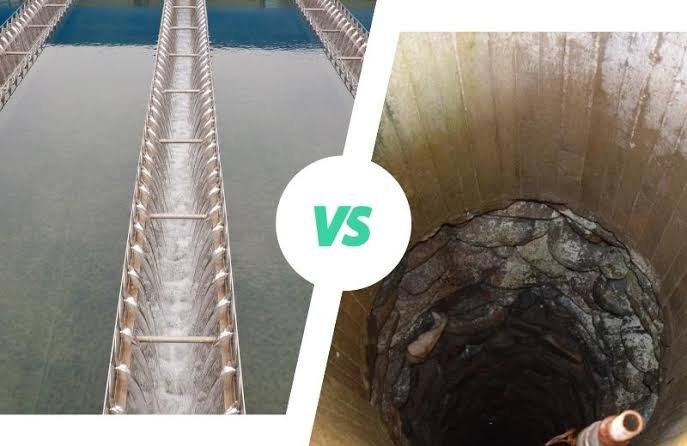

Choosing how your property gets its water is an important decision, whether you are building a new home, purchasing rural land, or evaluating an existing property. The two most common options are a private well or a connection to a municipal water system. Each comes with its own responsibilities, costs, and practical considerations. For commercial or larger properties, understanding the scope of commercial well drilling for properties can also help determine whether a private water source is a realistic option.
There is no universal answer to which system is better. The right choice depends on where your property is located, how much water you need, local regulations, available infrastructure, and your willingness to manage the system. Looking closely at how each option works can make the decision much easier.
How Municipal Water Systems Work
Municipal water is supplied by a local government or public utility. Water is treated at a centralized facility before being distributed through a network of pipes to homes and businesses. Property owners typically pay a monthly water bill based on usage, along with any applicable service or connection fees.
One of the biggest advantages is convenience. The utility is generally responsible for maintaining the broader water infrastructure, including treatment facilities and public distribution lines. Property owners do not have to operate their own water source or arrange routine maintenance for a private well.
Municipal systems can also provide predictable water pressure and consistent access when the public infrastructure is functioning properly. For properties already located within an established service area, connecting to municipal water may be the simplest option.
However, availability is a major limitation. Rural properties may be located too far from existing water lines to make a connection practical or affordable. Extension of municipal infrastructure can involve significant costs, depending on the distance and local requirements.
What a Private Well Provides
A private well draws groundwater from beneath the property. Instead of receiving water through a public distribution network, the property has its own water source, with a pump moving water from the well into the building’s plumbing system.
For properties outside municipal service areas, a well may be the most practical solution. It can provide greater independence from public infrastructure and eliminate a traditional monthly municipal water bill.
That independence also comes with responsibility. The property owner is generally responsible for the well, pump, pressure system, water testing, and necessary repairs. Regular attention is important because problems with equipment or water quality can directly affect the property’s water supply.
A well’s performance can also vary depending on groundwater conditions. Before installing one, property owners should consider factors such as local geology, expected well depth, water availability, and applicable permitting requirements.
Comparing the Costs
Cost is often one of the biggest factors in the decision, but it should be considered over the long term rather than based only on the initial expense.
Municipal water usually involves a connection cost, followed by recurring service and usage charges. For an existing property near a municipal line, the initial connection may be relatively straightforward. However, properties located far from the existing network could face substantial infrastructure-related expenses.
A private well generally requires a larger upfront investment for drilling, equipment, installation, and related work. Once installed, however, there may be fewer ongoing water service charges. The trade-off is that the owner must budget for maintenance, electricity for the pump, inspections, water testing, and occasional repairs or replacement of equipment.
Neither option is automatically cheaper. The total cost depends heavily on the property’s location, water requirements, infrastructure, and expected length of ownership.
Water Quality and Testing
Water quality is another important consideration. Municipal water is treated and monitored according to applicable public water system standards. Customers typically receive information about the quality of the water supplied by their utility.
With a private well, the property owner has more direct responsibility for understanding and maintaining water quality. Groundwater can be affected by natural minerals, nearby land use, septic systems, agricultural activity, or other environmental factors.
Routine testing can help identify potential concerns before they become obvious through changes in taste, smell, or appearance. Testing requirements and recommended schedules can vary by location, so property owners should follow guidance from local health or environmental authorities.
Reliability and Maintenance
Municipal water systems benefit from centralized infrastructure and professional utility management. However, public systems are not immune to disruptions caused by maintenance, damaged lines, power problems, or other emergencies.
A private well provides a degree of independence, but its reliability depends on the condition of the well and pumping equipment. A power outage can affect a typical electrically powered well system, while pump failure can interrupt water service until repairs are completed.
Routine maintenance can reduce the likelihood of unexpected problems. Keeping records of inspections, repairs, and water testing can also make it easier to identify changes in the system over time.
Which Option Works Better for Rural Properties?
For rural properties, a private well is often worth considering because municipal water may not be available. A well can make it possible to develop land without depending on an extensive public water network.
Still, location alone should not determine the decision. Before drilling, property owners should investigate local regulations, groundwater conditions, required permits, potential well depth, and expected water demand. A professional assessment can help establish whether the site is suitable for a reliable private water source.
For properties close to municipal infrastructure, connecting to public water may offer greater simplicity. The best choice depends on the specific circumstances rather than whether one system is generally considered better.
What About Larger or Commercial Properties?
Water requirements can change significantly when a property serves more people or supports commercial activities. Businesses, agricultural operations, multi-unit developments, and other larger properties may need substantially more water than a typical household.
In these situations, it is especially important to evaluate expected demand, storage requirements, pumping capacity, regulatory obligations, and the long-term reliability of the water source. A private well may be suitable in some locations, while municipal service may make more sense in others.
Planning the water system around actual demand rather than current usage can help property owners avoid costly limitations later.
Conclusion
The choice between a private well and municipal water ultimately comes down to practicality, cost, location, water demand, and long-term responsibility.
Municipal water offers convenience and centralized management, making it an attractive option where public infrastructure is readily available. Private wells offer greater independence and can be particularly useful in rural areas, but they require the property owner to take responsibility for the water system.
Before making a decision, consider the property’s location, connection costs, groundwater conditions, expected water consumption, maintenance requirements, and local regulations. Comparing these factors carefully can help you choose a water supply that fits both your property’s needs today and its potential needs in the future.